

Choosing between Invisalign and braces comes down to understanding two proven treatments. Invisalign uses clear, removable custom aligner trays that gradually shift your teeth into place. Braces are fixed appliances made of brackets and wires, available in metal or clear ceramic. Both correct crowding, gaps, and bite issues under the care of an orthodontist like Dr. Jacob Hanseen.
At Hanseen Orthodontics, both options are available for children, teens, and adults across Glendora and the surrounding communities. Each treatment relies on the same core principle: applying steady, gentle pressure to guide teeth into better positions over time.
The right choice depends on your smile goals, lifestyle, and the complexity of your case. That’s where a board-certified expert makes the difference.
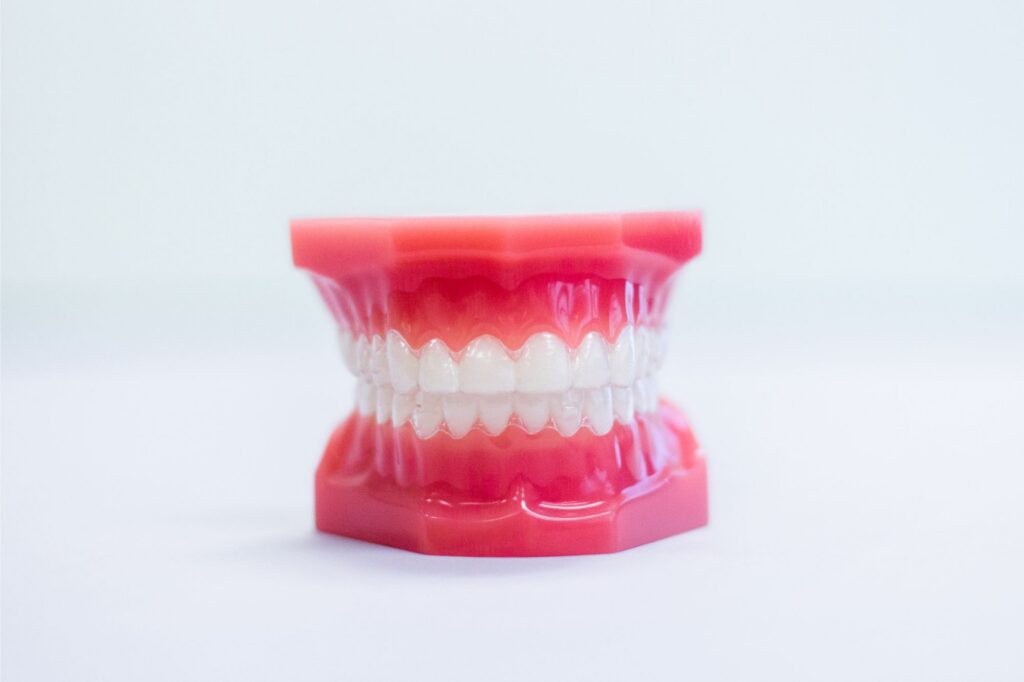
What Are Invisalign and Braces?
Invisalign uses clear, removable aligner trays custom-made to shift teeth over time, while braces use fixed brackets and wires bonded to each tooth. Both are proven orthodontic treatments that correct crowding, spacing, and bite issues. Dr. Hanseen offers each option to patients of all ages at his Glendora practice.
Each treatment relies on the same idea: gentle, steady pressure applied over weeks and months to move teeth into their planned spots. The difference lies in how that pressure is delivered and what fits your daily life best.
How Do Invisalign and Braces Work?
Invisalign works through a series of custom aligner trays that you swap out every 1-2 weeks. Braces move teeth using brackets bonded to each tooth, connected by a wire that Dr. Hanseen adjusts during periodic visits. Both apply gradual, controlled pressure to shift teeth into their planned positions. Across both treatments combined, most cases finish somewhere between 6 and 24 months, with Invisalign often on the shorter end and braces on the longer end.
How Does the Invisalign Process Work?
Your treatment starts with a digital scan of your teeth. From that scan, a full set of trays is designed to guide your smile step by step.
- Wear each tray 20-22 hours per day
- Remove only for eating, drinking, brushing, and flossing
- Switch to the next tray every 1-2 weeks
- Check in with Dr. Hanseen every 6-10 weeks
How Does the Braces Process Work?
With braces, brackets are bonded to your teeth and connected by an archwire. During each visit, the wire is adjusted or replaced to keep your teeth moving forward.
- Brackets stay on 24/7 through treatment
- Wire adjustments happen every 4-8 weeks
- Small elastic bands may be added for bite correction
- Retainer wear follows once the brackets come off
Benefits of Each Treatment
Both options can deliver a beautiful smile. The right fit depends on what matters most to you.
Why Do Patients Choose Invisalign?
- Nearly invisible. Clear trays blend in with your natural smile, so most people won’t notice you’re in treatment.
- Removable for meals. Take them out to eat whatever you want.
- Easier hygiene. Brush and floss like normal, no threading around wires.
- Fewer office visits. Check-ins are typically less frequent than with braces.
- Comfortable fit. Smooth plastic sits gently against your cheeks and gums.
Why Do Braces Still Shine?
- Great for complex cases. Braces handle severe crowding, rotations, and bite issues with predictable, precise control.
- Always at work. Since they’re fixed in place, they keep moving your teeth around the clock without any effort on your part.
- Clear braces option. Tooth-colored ceramic brackets offer a discreet look for patients who want a fixed appliance without the metal.
- Proven track record. Decades of orthodontic research back the results.
Dr. Hanseen, a Diplomate of the American Board of Orthodontics, will walk you through which benefits matter most for your specific case.
Invisalign vs Braces: Side-by-Side Comparison
Here’s how the two treatments stack up across the factors patients ask about most.
| Feature | Invisalign | Braces |
|---|---|---|
| Appearance | Nearly invisible clear trays | Visible brackets (metal or clear) |
| Comfort | Smooth plastic, no wire irritation | Brackets and wires can rub at first |
| Diet | No food restrictions, remove to eat | Avoid hard, sticky, and crunchy foods |
| Oral Hygiene | Brush and floss normally | Requires special tools and technique |
| Discipline Required | High, must wear 20-22 hours daily | Low, always in place |
| Case Complexity | Best for mild to moderate cases | Handles severe cases predictably |
| Office Visits | Every 6-10 weeks typically | Every 4-8 weeks typically |
| Treatment Time | 6-18 months typical range | 12-24 months typical range |
What Does This Mean for You?
If you’re a working professional or an adult who wants a discreet option, Invisalign often wins on lifestyle. If your teeth need significant movement or your child prefers not to think about their treatment day to day, braces may be the smarter pick.
The good news? Dr. Hanseen offers options for every smile, so you don’t have to choose blindly.
Cost Factors to Consider
Cost depends on your case complexity, treatment length, and the specific option you choose. The cost of Invisalign or braces at Hanseen Orthodontics varies from patient to patient, and many insurance plans cover a portion of orthodontic care for both treatments. Affordable financing and custom payment plans make treatment fit your family’s budget, and a free consultation gives you a clear estimate before you commit. Families across Glendora and the surrounding communities appreciate knowing the numbers up front.
What Affects Your Total Cost?
- Case complexity. Simple spacing corrections cost less than full bite correction.
- Treatment length. Shorter cases generally cost less overall.
- Retainers. Retainers after treatment are part of long-term smile care.
- Insurance coverage. Many plans include an orthodontic benefit.
How Do You Get the Full Picture?
Compare total value, not just the sticker price. A slightly higher-priced option that fits your lifestyle better is often the smarter long-term choice. During your free consult, you’ll get clear numbers and financing details so there are no surprises. Dr. Hanseen and his team walk every family through the estimate step by step, answering questions so you feel confident about the path ahead before treatment ever begins.
Who Is a Good Candidate for Each?
Almost everyone is a candidate for orthodontic treatment. The question is which option fits your smile best.
Is Invisalign Right for You?
- Have mild to moderate crowding, spacing, or bite issues
- Are a disciplined teen or adult who will wear trays consistently
- Want a discreet look for work or social reasons
- Prefer to keep eating the foods you love
Are Braces Right for You?
- Have complex bite problems, severe crowding, or significant rotations
- Prefer a fixed option that works without daily effort on your part
- Are a younger patient who may lose aligners
- Want a clear braces option that stays put
Dr. Jacob Hanseen, a board-certified expert, evaluates each patient during their free consultation. Children, teens, and adults across Glendora and the surrounding communities all receive the same careful evaluation to make sure the recommended option matches their smile goals. This is your clear path to straighter smiles, and our family can’t wait to meet yours.
Frequently Asked Questions
Is Invisalign as effective as braces?
For mild to moderate cases, Invisalign is highly effective and can achieve the same beautiful smile as braces. For severe crowding, complex bite issues, or major rotations, braces often give more predictable control. Dr. Hanseen will let you know honestly which option is best for your case during your free consult.
Which is faster, Invisalign or braces?
Treatment time varies by case, but Invisalign cases often finish in 6-18 months while braces typically take 12-24 months. Speed depends on how much your teeth need to move and, for Invisalign, how consistently you wear your trays. Wearing aligners the recommended 20-22 hours per day keeps you on schedule.
Does Invisalign or braces feel more uncomfortable?
Neither treatment should cause serious discomfort. You may feel some pressure or tenderness for a few days after a new tray or a wire adjustment as your teeth begin to move. Invisalign patients often report less mouth irritation since there are no brackets or wires against the cheeks.
Can I switch from braces to Invisalign?
In some cases, yes. If your treatment plan changes or your circumstances shift, Dr. Hanseen can evaluate whether transitioning makes sense. This is a conversation to have at one of your regular check-ins so any change is made thoughtfully.
Do I need a retainer after either treatment?
Yes, retainers are essential after both Invisalign and braces. Teeth naturally try to shift over time, especially in the months and years right after treatment ends. Wearing your retainer as directed protects the beautiful smile you worked for and keeps your results looking the way they should. Dr. Hanseen and his team are here to make you smile, and they will guide you through retainer care so your smile transformation lasts for years to come.