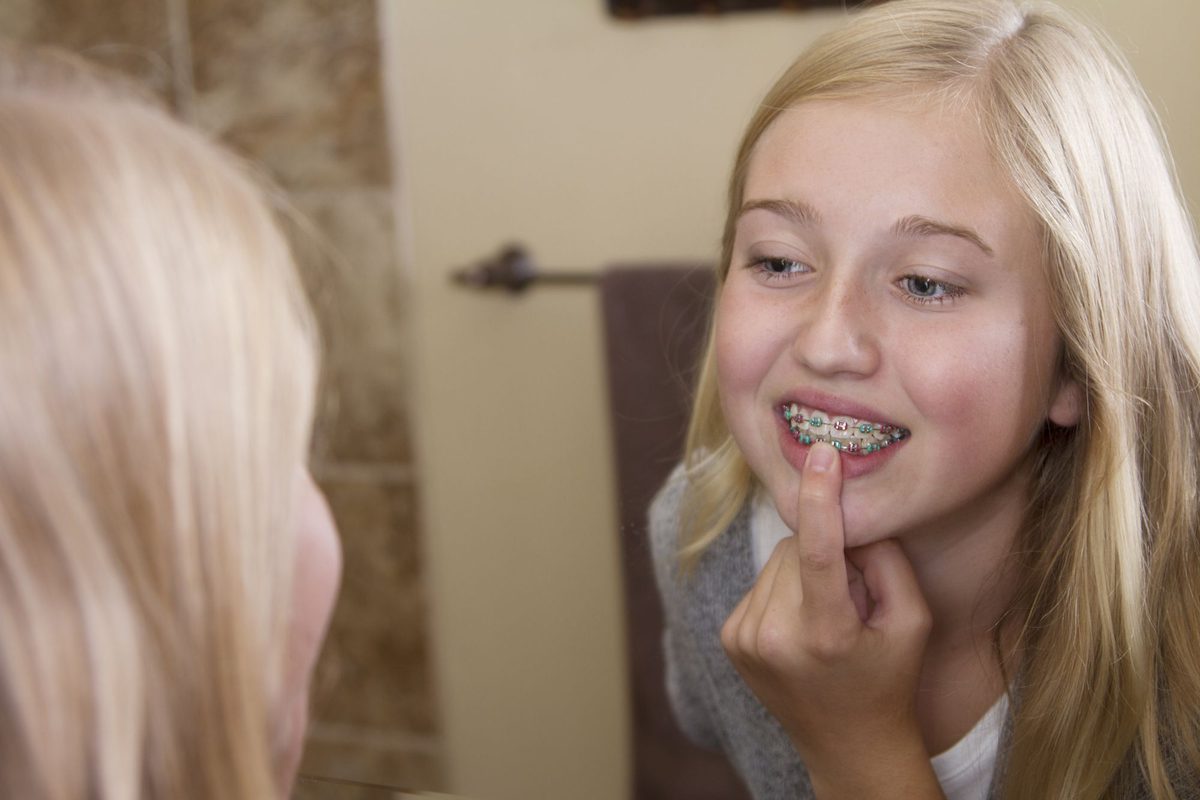

The day your braces come off or you finish your last Invisalign tray is a big one. Your teeth are straight, your bite feels great and you’re ready to show off your new smile. Here’s the part many patients don’t expect, though. Keeping that smile takes a little ongoing effort, and that’s where retainers come in. So how long do you have to wear a retainer after braces or Invisalign? Let’s walk through it.
What Is a Retainer and Why Do You Need One?
A retainer is a custom orthodontic appliance you wear after braces or Invisalign to hold your teeth in their new positions. Retainers are usually a lifelong part of protecting your smile. Dr. Hanseen will tell you when and how often to wear yours based on your teeth and the type of retainer you have.
Right after treatment, your teeth are more likely to shift. The bone and ligaments around each tooth need time to settle around the new positions, and without support, your teeth can slowly slide out of alignment. This is called orthodontic relapse, and it’s one of the most common reasons adults end up back in braces years later.
It helps to know the difference between retainers and aligners. Aligners like Invisalign trays are designed to move teeth. Retainers are designed to hold them in place.
Both braces and Invisalign patients need a retainer after treatment. At Hanseen Orthodontics, Dr. Hanseen offers bonded retainers that sit quietly behind your front teeth, along with retainers you can take out for meals and cleaning. As a board-certified orthodontist, Dr. Hanseen helps you choose the type that best fits your smile and your daily routine.
How Long Do You Wear a Retainer? A Typical Schedule
Retainer wear is individualized, not a fixed timetable. Some patients begin with full-time removable retainer wear, then move to nighttime wear when their orthodontist advises it. Continue long-term wear on Dr. Hanseen’s schedule and reduce the frequency only when he tells you it is appropriate.
Here’s how your wear instructions may change over time.
- Full-time wear, when prescribed. Your teeth are especially likely to shift soon after treatment. If Dr. Hanseen prescribes full-time removable retainer wear, follow his instructions for daily wear and when to take it out for meals, drinks and cleaning.
- Nighttime wear, when approved. Switch from full-time to nighttime wear only when Dr. Hanseen advises it. Continue wearing your retainer at night according to his instructions.
- Long-term wear. Teeth can continue shifting throughout life. Keep wearing your retainer on the schedule Dr. Hanseen recommends, and do not reduce how often you wear it without his guidance.
Both braces and Invisalign patients need an individualized retention plan. Your original bite, treatment and retainer type can affect your instructions. A bonded retainer stays in place around the clock, but still needs daily cleaning and regular checks.
One important note. Always follow the specific instructions you get from your orthodontist. Dr. Hanseen tailors your plan to your teeth, your history and your lifestyle. A general online schedule should not replace those instructions.
Benefits of Wearing Your Retainer Long-Term
Wearing your retainer consistently isn’t just about keeping your teeth straight. It protects your bite, your oral health and the time and money you put into treatment.
- It prevents relapse. Without a retainer, teeth can slowly move back toward where they started and undo months of progress.
- It keeps your bite stable. The bone around your teeth keeps remodeling after braces or Invisalign come off, and a retainer holds everything steady while that finishes.
- It offsets natural drift. Aging, chewing pressure, tongue habits and even sleep position can all nudge teeth over time. Nighttime wear counteracts those forces.
- It lowers the chance of retreatment. Patients who stop wearing their retainers often end up considering braces or Invisalign again in their 30s, 40s or later. Consistent retainer wear as prescribed is far easier than starting over.
- It protects your investment. You put real time and money into reaching your smile goals, and a retainer keeps those results in place for decades.
- It makes cleaning easier. Straight teeth are easier to brush and floss, which helps keep your gums healthy and lowers your risk of decay.
Your retainer is the final and easiest step of your treatment. You’re not moving your teeth anymore. You’re just giving them a little steady support to stay where they belong.
Braces vs. Invisalign: Are Retainer Rules Different?
The goal is the same either way, and the wear schedule is mostly the same too. What changes is the type of retainer you’re most likely to get.
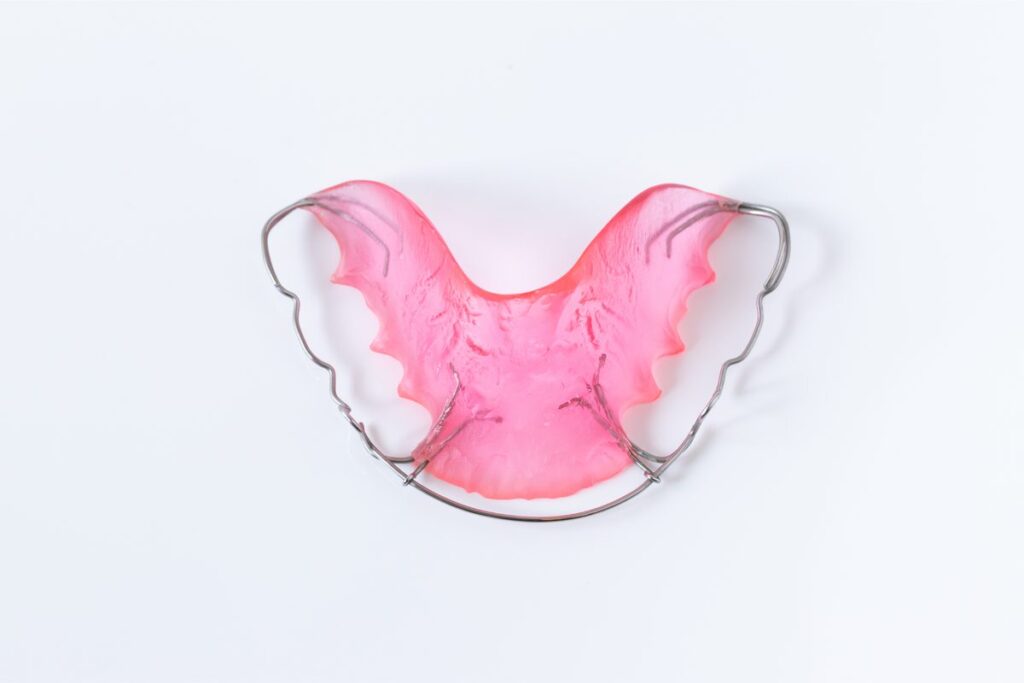
After Invisalign, many patients get clear plastic retainers, sometimes called Essix retainers, because they feel familiar and are nearly invisible. After metal braces or clear braces, patients may get a Hawley retainer, with a wire across the front and acrylic against the roof of the mouth, or a bonded retainer, which is a thin wire bonded behind the front teeth.
Here’s how the common types compare.
- Clear plastic retainers are nearly invisible and easy to clean since they come out. Follow Dr. Hanseen’s instructions for full-time or nighttime wear. They tend to wear out the fastest of the three.
- Hawley retainers have a visible wire across the front teeth but are durable and also come out for cleaning. Their wear schedule is also individualized by Dr. Hanseen.
- Bonded retainers stay in place around the clock and are hidden behind your teeth. They can last for years, though you’ll need a floss threader to clean around them and the wire may occasionally need a small repair.
A common question is whether you can use your last Invisalign tray as a retainer. Not without your orthodontist’s okay. Aligner trays are made for short-term movement, not long-term retention, and they wear down quickly. Dr. Hanseen will fit you with a retainer made to hold your final results.
Retainer Replacement and Care
Retainers don’t last forever, and the cost of a replacement depends on a few things.
- Type of retainer. Clear plastic, Hawley and bonded retainers each take different lab work and chair time.
- Number of arches. You may need a retainer for just the top, just the bottom or both.
- Lab and material costs. These vary with the materials and the lab your orthodontist uses.
- Insurance coverage. Some dental and orthodontic plans cover part of a replacement, though many don’t.
With good care, removable retainers can last a few years. Bonded retainers often last longer, though the wire can occasionally come loose from a tooth and need a quick repair.
If your retainer is lost, cracked or damaged, call Hanseen Orthodontics as soon as possible. Teeth can start shifting within days without a retainer, and the sooner you’re back in one that fits, the easier it is to keep your results. Replacing a retainer is simple. Going back through treatment is not.
Who Needs Long-Term Retention?
Every patient who finishes braces or Invisalign needs a retainer. Teeth don’t lock into place once treatment ends, and some patients need a more careful plan than others.
You may need stricter or longer retainer wear if you fall into one of these groups.
- Patients who had severe crowding or rotated teeth. Teeth that started out badly crowded or rotated have the strongest pull back toward their old positions. Lifelong nightly wear is often recommended.
- Teens whose jaws are still growing. Growth can continue into the late teens and early 20s, so retainer plans may change as the jaws finish developing.
- Adults treated for shifting teeth. If you had treatment as an adult to fix teeth that drifted, steady retainer wear is essential to counter the forces that caused it.
- Patients who grind their teeth. Grinding can damage retainers and push teeth out of position. Dr. Hanseen may recommend a night guard, a thicker retainer or an appliance that does both.
- Patients who had an open bite or deep bite corrected. These bites are more likely to return, so retention plans are often more detailed.
Whichever group you fall into, the goal is the same. Protect the smile you worked for and keep your bite healthy for decades to come.
Frequently Asked Questions About Retainer Wear
Do I have to wear a retainer forever?
Usually, yes. Retainers are generally needed long-term because teeth can continue shifting throughout adulthood. Follow Dr. Hanseen’s wear instructions, including nighttime wear if prescribed, and reduce the frequency only when he advises it.
Is wearing a retainer for 2 years enough?
Usually not. Teeth can continue shifting after two years, so long-term retention is important. Keep wearing your retainer as instructed and ask Dr. Hanseen before reducing wear or stopping.
What if I stopped wearing my retainer and it feels tight?
Don’t force it on. If your retainer feels tight or won’t fully seat, your teeth have already started to shift. Schedule a visit at Hanseen Orthodontics as soon as possible. Depending on how much they’ve moved, Dr. Hanseen may recommend a new retainer or a short round of aligners.
Can I use my last Invisalign tray as a retainer?
Only if your orthodontist approves it as a short-term fix. Aligner trays are thinner, wear out quickly and aren’t built for long-term retention. A dedicated retainer is stronger, fits better and is made to protect your results for years.
How long does a retainer last?
With good care, removable retainers usually last a few years, and bonded retainers often last longer. Clean your retainer daily, keep it in its case when it’s not in your mouth and keep it away from heat like hot cars or boiling water to help it last.
What should I do if I lose my retainer?
Call Hanseen Orthodontics right away. The sooner you get a replacement, the less likely your teeth are to shift. In the meantime, if you have an older retainer that still fits, wear it to help hold your teeth in place until the new one is ready.
Keeping your smile straight after braces or Invisalign is simple with the right plan. If you have questions about your retainer, need a replacement or want to start your own smile transformation, Dr. Hanseen and his team are here to help patients of all ages across Glendora and the surrounding communities. Visit our Glendora office at 237 S Glendora Ave., call 626-310-4110 or schedule your free consultation today.