
When Should My Child First See an Orthodontist?

Wondering when should my child see an orthodontist? The American Association of Orthodontists recommends a first orthodontic evaluation by age 7. By this age, enough permanent teeth have emerged for a board-certified expert to spot issues early, like crowding, bite problems, or jaw growth concerns. Most kids won’t need treatment right away, but early visits let Dr. Hanseen watch development and step in at the right moment.

Bringing your child in early doesn’t mean braces are coming next week. It means you get answers, peace of mind, and a plan that fits your child’s growth. At Hanseen Orthodontics, that first look is always a free consultation, so there’s no pressure and no surprise cost.

Early evaluations catch small issues before they turn into bigger ones. Some kids benefit from a little guidance while their jaw is still forming. Others just need a friendly check-in every year or two. Either way, you’ll leave knowing exactly where your child stands.

How the First Orthodontic Visit Works

At your child’s first visit, Dr. Hanseen examines the teeth, jaw alignment, and bite, takes digital records if needed, and explains what he sees in plain language. You’ll get a clear recommendation and plenty of time to ask questions. The visit is easy, welcoming, and stress-free from the moment your child sits down. Here’s what to expect during that first visit:

  1. A friendly exam of teeth, jaw alignment, and bite. Dr. Hanseen looks at how the upper and lower teeth fit together, checks for crowding, and evaluates jaw growth.
  2. Digital records if needed. Digital X-rays or scans give a clear picture of the permanent teeth still developing under the gums. Our digital records and above-standard sterilization techniques keep every visit safe and precise.
  3. A conversation about growth patterns. Kids grow fast, and small changes in the jaw or bite can matter. Dr. Hanseen explains what he sees in plain language.
  4. A clear recommendation. Your child may need treatment now, or they may simply come back for recall visits every six to twelve months so we can watch things develop.
  5. A chance to ask anything. Bring your questions. This is your time.

Most first visits take about an hour. There’s no obligation, no pushy sales talk, and no cost for the initial free consult at Hanseen Orthodontics. It’s just a chance to get expert answers and see if any next steps make sense for your family.

glendora invisalign

Benefits of an Early Orthodontic Evaluation

Getting your child evaluated by age 7 opens up options that aren’t available later. When the jaw is still growing, small adjustments can make a big difference.

What Can Early Evaluation Do for My Child?

Here’s what early evaluation can do:

  • Guide jaw growth to create room for permanent teeth that haven’t come in yet.
  • Correct harmful habits like thumb-sucking or tongue-thrusting before they shape the bite.
  • Reduce the need for extractions or more involved care later on.
  • Simplify future braces or Invisalign treatment by handling foundational issues first.
  • Improve speech, chewing, and breathing by addressing bite issues that affect everyday function.

What If My Child Doesn’t Need Treatment Yet?

Even when treatment isn’t needed right away, an early visit gives you a baseline. You’ll know what to watch for, and Dr. Hanseen will track any changes over time. That kind of monitoring is a real advantage. It means you’ll never have to wonder if you’re missing something important, and it puts your child on the right path toward a beautiful smile.

Think of the first visit as insurance for your child’s smile. It costs nothing, takes about an hour, and can save years of more involved care down the road.

5 Signs That Answer When Should My Child See an Orthodontist

Not sure if it’s time to book a visit? Age 7 is the baseline, but certain signs mean you shouldn’t wait. If you notice any of these, it’s a good idea to schedule a free consult with Dr. Hanseen.

  1. Your child just turned 7. Even without visible issues, this is the recommended age for a first evaluation per the American Association of Orthodontists.
  2. Teeth look crowded, gapped, or overlapping. Crowding is one of the most common reasons kids need orthodontic care.
  3. Baby teeth are falling out too early or too late. The timing of tooth loss affects how permanent teeth come in. Difficulty chewing or biting food is another red flag.
  4. Mouth breathing or lingering thumb-sucking. Habits that continue past age 4 can change the shape of the palate and bite.
  5. The jaw shifts, clicks, or looks off-balance. Overbites, underbites, crossbites, and jaws that pop when opening or closing all deserve a professional look.

You don’t have to diagnose anything yourself. If you’re seeing one of these signs, or something just feels off, that’s reason enough to come in. Dr. Hanseen will tell you exactly what’s going on and whether any action is needed. Many parents leave the first visit relieved to hear their child is right on track.

Should My Child Get Early Treatment or Wait?

Every child grows differently, and orthodontic care follows the same rule. Some kids benefit from starting early, while others do great with a single round of braces or Invisalign as a teen. Here’s how the options break down:

Approach Typical Age What It Does
Phase 1 (Early Treatment) 7-10 Guides jaw growth, makes room for permanent teeth, corrects bite issues while the jaw is still developing
Monitoring (Recall Visits) 7-11 Regular check-ins every 6-12 months to track growth until the right time for treatment
Phase 2 (Full Treatment) 11+ Aligns permanent teeth using metal braces, clear braces, or Invisalign

Most kids only need one phase of treatment. Two-phase care is reserved for children with specific developmental concerns that benefit from early intervention. Dr. Hanseen won’t recommend treatment your child doesn’t need. If monitoring is the right call, that’s what he’ll suggest.

The goal is always to do the right amount of care at the right time. In some cases, that means starting early to prevent bigger issues. For other kids, it means waiting patiently and watching. And plenty of children go straight to braces or Invisalign in the teen years. You’ll get a straight answer either way.

What Affects the Cost of Children’s Orthodontic Care?

The cost of children’s orthodontic care depends on several factors, but the first evaluation is always free at Hanseen Orthodontics. Total pricing varies based on treatment type, length, and complexity, so there’s no single number that fits every child. Here’s what shapes the final cost:

  • Type of treatment. Metal braces, clear braces, and Invisalign each have different price points, and the right choice depends on your child’s specific needs.
  • Length and complexity. A straightforward case costs less than one that involves multiple bite corrections or longer wear time.
  • One phase vs. two. Two-phase treatment may cost more overall, but it can also prevent more involved care later, which balances out for many families.
  • Insurance coverage. Many dental plans include an orthodontic benefit for children, and we’ll help you understand exactly what yours covers.
  • Financing. Affordable financing and custom payment plans can spread the cost across months in a way that fits your family’s budget.

At Hanseen Orthodontics, we’ll walk you through every option before anything starts. You’ll know the full cost, what insurance covers, and what your monthly payment would look like. There’s no guessing and no fine print, just clear numbers laid out for you. Our team is happy to review the details as many times as you need until the plan feels right for your family.

Is Your Child a Candidate for Orthodontic Treatment?

If your child is 7 or older, they’re a candidate for an evaluation. That doesn’t mean they need braces today. It means Dr. Hanseen can take a professional look and tell you what, if anything, needs attention. Kids who are strong candidates for early care often show:

  • Crowding or spacing that’s affecting how permanent teeth come in
  • Overbites, underbites, or crossbites that change how the jaws fit together
  • Lingering habits like thumb-sucking that are shaping the mouth
  • Difficulty chewing, biting, or speaking clearly
  • Baby teeth that fell out much earlier or later than expected

Plenty of kids come in and simply need monitoring. That’s a great outcome too. Regular recall visits let us catch anything that develops without rushing into care. Every child is different, and the only way to know for sure is a full exam with an orthodontist.

Dr. Jacob Hanseen is a board-certified expert, a Diplomate of the American Board of Orthodontics, and a member of both the American Association of Orthodontists and the California Association of Orthodontists. The credential badges and seals in his office reflect the training behind every recommendation. When you visit Hanseen Orthodontics, you’re getting a real specialist’s opinion on your child’s smile.

Frequently Asked Questions

When should my child first see an orthodontist?

The American Association of Orthodontists recommends a first orthodontic evaluation by age 7. By this age, enough permanent teeth have come in for an orthodontist to spot early signs of crowding, bite problems, or jaw growth concerns. Most children won’t need treatment right away, but the visit gives you a helpful baseline.

Does an early visit mean my child needs braces?

No. An early evaluation is simply a check-in, not a commitment to treatment. Many children only need monitoring with recall visits every six to twelve months. If treatment does make sense, Dr. Hanseen will explain exactly why and walk you through the options at your own pace.

How much does a child’s first orthodontic visit cost?

The first evaluation is always a free consultation at Hanseen Orthodontics. There’s no obligation and no surprise cost. If treatment is recommended later, the price depends on the type of care, its length, and its complexity, and our team reviews every number with you before anything begins.

What are the signs my child needs to see an orthodontist?

Common signs include crowded or gapped teeth, baby teeth that fall out too early or too late, mouth breathing, lingering thumb-sucking past age 4, difficulty chewing, and a jaw that shifts or clicks. If you notice any of these, or your child just turned 7, it’s a good time to book a free consult.

Is early orthodontic treatment better than waiting?

It depends on the child. Early treatment can guide jaw growth and correct bite issues while the jaw is still developing, which sometimes prevents more involved care later. Other kids do great with a single round of braces or Invisalign as a teen. Dr. Hanseen recommends only the care your child actually needs.

Our family can’t wait to meet yours. When you’re ready to learn where your child stands, a free consultation is a friendly first step toward a plan that fits your child, your schedule, and your family’s budget.
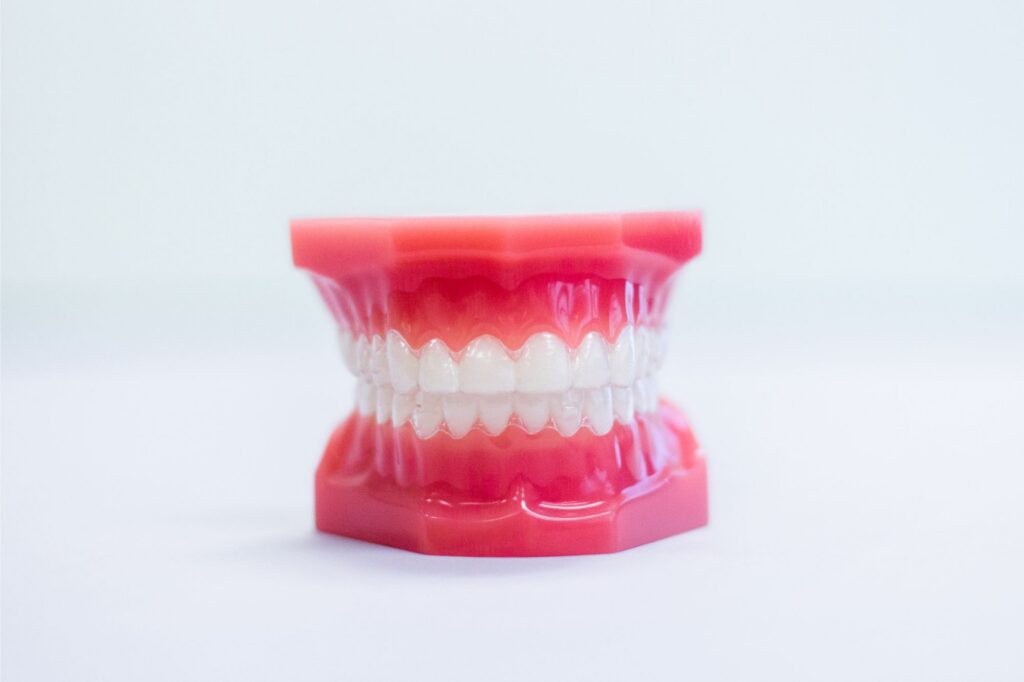

Invisalign vs Braces: How to Choose the Best Option

Choosing between Invisalign and braces comes down to understanding two proven treatments. Invisalign uses clear, removable custom aligner trays that gradually shift your teeth into place. Braces are fixed appliances made of brackets and wires, available in metal or clear ceramic. Both correct crowding, gaps, and bite issues under the care of an orthodontist like Dr. Jacob Hanseen.

At Hanseen Orthodontics, both options are available for children, teens, and adults across Glendora and the surrounding communities. Each treatment relies on the same core principle: applying steady, gentle pressure to guide teeth into better positions over time.

The right choice depends on your smile goals, lifestyle, and the complexity of your case. That’s where a board-certified expert makes the difference.

Invisalign aligners displayed on a dental model for orthodontic treatment in Glendora CA

What Are Invisalign and Braces?

Invisalign uses clear, removable aligner trays custom-made to shift teeth over time, while braces use fixed brackets and wires bonded to each tooth. Both are proven orthodontic treatments that correct crowding, spacing, and bite issues. Dr. Hanseen offers each option to patients of all ages at his Glendora practice.

Each treatment relies on the same idea: gentle, steady pressure applied over weeks and months to move teeth into their planned spots. The difference lies in how that pressure is delivered and what fits your daily life best.

How Do Invisalign and Braces Work?

Invisalign works through a series of custom aligner trays that you swap out every 1-2 weeks. Braces move teeth using brackets bonded to each tooth, connected by a wire that Dr. Hanseen adjusts during periodic visits. Both apply gradual, controlled pressure to shift teeth into their planned positions. Across both treatments combined, most cases finish somewhere between 6 and 24 months, with Invisalign often on the shorter end and braces on the longer end.

How Does the Invisalign Process Work?

Your treatment starts with a digital scan of your teeth. From that scan, a full set of trays is designed to guide your smile step by step.

  • Wear each tray 20-22 hours per day
  • Remove only for eating, drinking, brushing, and flossing
  • Switch to the next tray every 1-2 weeks
  • Check in with Dr. Hanseen every 6-10 weeks

How Does the Braces Process Work?

With braces, brackets are bonded to your teeth and connected by an archwire. During each visit, the wire is adjusted or replaced to keep your teeth moving forward.

  • Brackets stay on 24/7 through treatment
  • Wire adjustments happen every 4-8 weeks
  • Small elastic bands may be added for bite correction
  • Retainer wear follows once the brackets come off

Benefits of Each Treatment

Both options can deliver a beautiful smile. The right fit depends on what matters most to you.

Why Do Patients Choose Invisalign?

  • Nearly invisible. Clear trays blend in with your natural smile, so most people won’t notice you’re in treatment.
  • Removable for meals. Take them out to eat whatever you want.
  • Easier hygiene. Brush and floss like normal, no threading around wires.
  • Fewer office visits. Check-ins are typically less frequent than with braces.
  • Comfortable fit. Smooth plastic sits gently against your cheeks and gums.

Why Do Braces Still Shine?

  • Great for complex cases. Braces handle severe crowding, rotations, and bite issues with predictable, precise control.
  • Always at work. Since they’re fixed in place, they keep moving your teeth around the clock without any effort on your part.
  • Clear braces option. Tooth-colored ceramic brackets offer a discreet look for patients who want a fixed appliance without the metal.
  • Proven track record. Decades of orthodontic research back the results.

Dr. Hanseen, a Diplomate of the American Board of Orthodontics, will walk you through which benefits matter most for your specific case.

Invisalign vs Braces: Side-by-Side Comparison

Here’s how the two treatments stack up across the factors patients ask about most.

Feature Invisalign Braces
Appearance Nearly invisible clear trays Visible brackets (metal or clear)
Comfort Smooth plastic, no wire irritation Brackets and wires can rub at first
Diet No food restrictions, remove to eat Avoid hard, sticky, and crunchy foods
Oral Hygiene Brush and floss normally Requires special tools and technique
Discipline Required High, must wear 20-22 hours daily Low, always in place
Case Complexity Best for mild to moderate cases Handles severe cases predictably
Office Visits Every 6-10 weeks typically Every 4-8 weeks typically
Treatment Time 6-18 months typical range 12-24 months typical range

What Does This Mean for You?

If you’re a working professional or an adult who wants a discreet option, Invisalign often wins on lifestyle. If your teeth need significant movement or your child prefers not to think about their treatment day to day, braces may be the smarter pick.

The good news? Dr. Hanseen offers options for every smile, so you don’t have to choose blindly.

Cost Factors to Consider

Cost depends on your case complexity, treatment length, and the specific option you choose. The cost of Invisalign or braces at Hanseen Orthodontics varies from patient to patient, and many insurance plans cover a portion of orthodontic care for both treatments. Affordable financing and custom payment plans make treatment fit your family’s budget, and a free consultation gives you a clear estimate before you commit. Families across Glendora and the surrounding communities appreciate knowing the numbers up front.

What Affects Your Total Cost?

  • Case complexity. Simple spacing corrections cost less than full bite correction.
  • Treatment length. Shorter cases generally cost less overall.
  • Retainers. Retainers after treatment are part of long-term smile care.
  • Insurance coverage. Many plans include an orthodontic benefit.

How Do You Get the Full Picture?

Compare total value, not just the sticker price. A slightly higher-priced option that fits your lifestyle better is often the smarter long-term choice. During your free consult, you’ll get clear numbers and financing details so there are no surprises. Dr. Hanseen and his team walk every family through the estimate step by step, answering questions so you feel confident about the path ahead before treatment ever begins.

Who Is a Good Candidate for Each?

Almost everyone is a candidate for orthodontic treatment. The question is which option fits your smile best.

Is Invisalign Right for You?

  • Have mild to moderate crowding, spacing, or bite issues
  • Are a disciplined teen or adult who will wear trays consistently
  • Want a discreet look for work or social reasons
  • Prefer to keep eating the foods you love

Are Braces Right for You?

  • Have complex bite problems, severe crowding, or significant rotations
  • Prefer a fixed option that works without daily effort on your part
  • Are a younger patient who may lose aligners
  • Want a clear braces option that stays put

Dr. Jacob Hanseen, a board-certified expert, evaluates each patient during their free consultation. Children, teens, and adults across Glendora and the surrounding communities all receive the same careful evaluation to make sure the recommended option matches their smile goals. This is your clear path to straighter smiles, and our family can’t wait to meet yours.

Frequently Asked Questions

Is Invisalign as effective as braces?

For mild to moderate cases, Invisalign is highly effective and can achieve the same beautiful smile as braces. For severe crowding, complex bite issues, or major rotations, braces often give more predictable control. Dr. Hanseen will let you know honestly which option is best for your case during your free consult.

Which is faster, Invisalign or braces?

Treatment time varies by case, but Invisalign cases often finish in 6-18 months while braces typically take 12-24 months. Speed depends on how much your teeth need to move and, for Invisalign, how consistently you wear your trays. Wearing aligners the recommended 20-22 hours per day keeps you on schedule.

Does Invisalign or braces feel more uncomfortable?

Neither treatment should cause serious discomfort. You may feel some pressure or tenderness for a few days after a new tray or a wire adjustment as your teeth begin to move. Invisalign patients often report less mouth irritation since there are no brackets or wires against the cheeks.

Can I switch from braces to Invisalign?

In some cases, yes. If your treatment plan changes or your circumstances shift, Dr. Hanseen can evaluate whether transitioning makes sense. This is a conversation to have at one of your regular check-ins so any change is made thoughtfully.

Do I need a retainer after either treatment?

Yes, retainers are essential after both Invisalign and braces. Teeth naturally try to shift over time, especially in the months and years right after treatment ends. Wearing your retainer as directed protects the beautiful smile you worked for and keeps your results looking the way they should. Dr. Hanseen and his team are here to make you smile, and they will guide you through retainer care so your smile transformation lasts for years to come.


Orthodontics for All Ages: A Lifetime Approach to Healthy Smiles

Orthodontics for All Ages: A Lifetime Approach to Healthy Smiles

What Is Orthodontics for All Ages?

Orthodontics for all ages means treatment designed to correct misaligned teeth and jaws at any stage of life. Children, teens, and adults each have unique dental development patterns, so Dr. Hanseen creates custom treatment plans that match your specific needs. Thinking about early intervention for your child? Curious about straightening your own smile? Orthodontic care can improve your bite, oral health, and smile at any age.

Everyone deserves a beautiful smile, which is why Hanseen Orthodontics offers options for every smile, from metal braces to Invisalign, tailored to fit your lifestyle and goals. Dr. Hanseen, DDS, MS,  an expert in orthodontics, has helped Glendora families straighten smiles across every life stage. Whether a parent brings in a seven-year-old for a first evaluation or an adult finally decides to address shifting teeth, the same thoughtful, personalized approach applies. Treatment timelines, appliance choices, and follow-up care are all shaped by your age, anatomy, and daily routine, so your time with us feels manageable from start to finish.

Glendora family orthodontist

How Orthodontic Treatment Works at Each Life Stage

Orthodontic treatment uses gentle, steady pressure to move teeth into better positions, and the same biological principles apply at every age. What changes is the strategy: children may benefit from guided jaw growth, teens get the most efficient tooth movement, and adults need plans that account for existing dental work. Dr. Hanseen tailors each plan accordingly.

What Should Children Ages 7-10 Expect?

The American Association of Orthodontists recommends that children have their first orthodontic evaluation by age 7. At this age, Dr. Hanseen can spot developing issues like crossbites, crowding, or jaw growth problems before they become more serious.

Early treatment, sometimes called Phase I, may include:

  • Palatal expanders to widen a narrow upper jaw
  • Partial braces to guide incoming permanent teeth
  • Space maintainers to preserve room for adult teeth

Not every child needs early treatment. Sometimes the best plan is to monitor growth and wait for the right time to begin full treatment.

How Do Teens Benefit from Treatment?

The teen years are the most common time for braces or Invisalign. Most permanent teeth have erupted, and the jaw is still growing, which makes tooth movement efficient.

Treatment options for teens include:

Is It Too Late for Adults?

Plenty of adults are choosing orthodontic care today, and many Glendora patients come in after years of putting it off. If you skipped treatment as a teen or your teeth have shifted over time, you can still achieve a healthy, straight smile.

Adult treatment follows the same process: an initial exam, diagnostic imaging, and a custom treatment plan. Dr. Hanseen will recommend the option that fits your anatomy, lifestyle, and smile goals.

Throughout treatment at any age, you’ll have regular adjustment visits so progress can be carefully monitored. After your braces or aligners come off, a retention phase with bonded retainers helps protect your results long-term.

Benefits of Orthodontics for All Ages

Straight teeth aren’t just about looks. Orthodontic treatment delivers real health benefits that last a lifetime, touching everything from how you chew to how confidently you carry yourself through the day.

How Does Treatment Improve Oral Health?

  • Better bite function. When your teeth meet correctly, you reduce strain on your jaw joints and avoid uneven wear on tooth surfaces.
  • Easier cleaning is another big win. Crowded or overlapping teeth trap food and plaque, while straight teeth are simpler to brush and floss, lowering your risk of cavities and gum disease.
  • Improved speech. Certain alignment issues affect how you pronounce words. Correcting your bite can make speech clearer and more natural.
  • Long-term oral health follows naturally. The benefits of orthodontic care add up over time, and healthier teeth and gums today mean fewer dental problems down the road.

What About Confidence and Quality of Life?

  • Boosted confidence. A smile you’re proud of changes how you carry yourself. Many Glendora patients tell us they smile more freely after treatment.
  • Social and professional moments feel easier when you aren’t hiding your teeth in photos or covering your mouth when you laugh.

Comparing Treatment Options Across Age Groups

Choosing the right appliance depends on your case complexity, personal preferences, and daily routine. Here’s how the main options compare:

Treatment Type Best For Visibility Removable? Ideal Age Groups
Metal Braces Complex cases, all budgets Visible No Children, teens, adults
Clear Braces Patients wanting discretion Less visible No Teens, adults
Invisalign Mild to moderate cases, lifestyle flexibility Nearly invisible Yes Motivated teens, adults
Phase I Appliances Early intervention Varies Varies Children (ages 7-10)

Metal Braces

Metal braces remain the most versatile option. They handle complex tooth movements well and work for patients of all ages.

Clear Braces

Clear braces use tooth-colored ceramic brackets that blend with your natural smile. They’re popular with teens and adults who want a more discreet look.

Invisalign

Invisalign aligners are custom-made, removable, and nearly invisible. You’ll wear each set for about two weeks and can take them out to eat, brush, and floss. This option works best for patients committed to wearing their aligners 20-22 hours daily.

Phase I Appliances

Phase I appliances like expanders or partial braces address specific issues in young children before full treatment begins.

Treatment time depends on case complexity, not just your age. Dr. Hanseen will match you with the option that fits your anatomy, lifestyle, and smile goals.

What Affects the Cost of Orthodontic Treatment?

Orthodontic treatment cost depends on a handful of key factors: case complexity, the appliance you choose, whether you need one or two phases of care, and how much your insurance covers. Knowing what shapes the final number makes planning easier, and our team will walk you through every detail before treatment begins.

Case Complexity

More severe crowding, spacing, or bite issues require longer treatment and more appointments, which affects the overall cost.

Appliance Choice

The appliance you choose matters too. Metal braces, clear braces, and Invisalign each have different price points, and Dr. Hanseen can explain the differences during your free consultation.

Two-Phase Treatment

Children who need early intervention followed by full treatment as teens may have separate costs for each phase.

Insurance Coverage

Many dental insurance plans cover a portion of orthodontic treatment. Our team can help you understand your benefits and get the most from your coverage.

Affordable Financing

Affordable financing rounds things out. Hanseen Orthodontics offers custom payment plans that fit your family’s budget, so finances shouldn’t get in the way of your smile.

Who Is a Candidate for Orthodontic Treatment?

Almost anyone with healthy teeth and gums can benefit from orthodontic care. Ideal candidates include children around age 7 ready for early evaluation, teens whose permanent teeth have erupted, and adults who want to correct shifting, crowding, or long-standing bite issues. A first visit with Dr. Hanseen confirms candidacy and outlines the right path forward.

When Should Children Be Evaluated?

The American Association of Orthodontists recommends a first orthodontic evaluation by age 7. At this point, Dr. Hanseen can identify issues like:

  • Crossbites
  • Severe crowding
  • Protruding front teeth
  • Early or late loss of baby teeth
  • Jaw growth imbalances

Early evaluation doesn’t always mean early treatment. Sometimes monitoring is the best approach until more permanent teeth come in.

Are Teens Good Candidates?

Teens with crowding, spacing, overbites, underbites, or crossbites are excellent candidates for full treatment. This is often the ideal time because the jaw is still developing, making tooth movement more efficient. Many Glendora families schedule treatment to wrap up before senior year photos or graduation.

Can Adults Still Get Treatment?

Healthy teeth and gums are the main requirement, and adults of any age can pursue treatment. Common reasons adults seek orthodontic care include:

  • Teeth that have shifted over time
  • Relapse after previous treatment
  • Long-standing bite issues never addressed
  • Desire for a more confident smile

Existing dental work like crowns, bridges, or implants may affect your options, but it doesn’t automatically rule out treatment. A consultation with board-certified orthodontist Dr. Hanseen will determine your individual candidacy and the best approach for your situation.

Frequently Asked Questions About Orthodontics for All Ages

Am I too old for braces or Invisalign?

No. Adults of any age can benefit from orthodontic treatment as long as their teeth and gums are healthy. Dr. Hanseen treats children, teens, and adults at Hanseen Orthodontics, and adult patients often achieve excellent results.

When should my child see an orthodontist for the first time?

The American Association of Orthodontists recommends a first visit by age 7. At this age, enough permanent teeth have emerged for Dr. Hanseen to spot developing problems. Early evaluation doesn’t always lead to early treatment, but it gives us the chance to monitor growth and plan ahead.

How long does orthodontic treatment take?

Treatment length varies based on your specific case. Most patients wear braces or aligners for 12-24 months, though some cases are shorter and others take longer. Dr. Hanseen will give you a timeline estimate during your free consultation.

Do adults need different treatment than teens?

The mechanics are the same, but adults may have additional considerations like existing dental work or bone density changes. Dr. Hanseen, a board-certified expert, accounts for these factors when creating your custom treatment plan.

Will treatment interfere with school, work, or sports?

Most patients find treatment fits easily into their daily lives. Adjustment appointments are typically quick, and you can keep playing sports with a protective mouthguard. Invisalign offers extra flexibility since you can remove your aligners for special events.

What happens after treatment ends?

After your braces or aligners come off, you’ll enter the retention phase. Teeth naturally try to shift over time, so wearing a retainer (often a bonded retainer attached behind your teeth) helps protect your results and keep your smile looking the way it should.


How to Choose the Best Orthodontist in Glendora for Your Smile

Finding the right orthodontist starts with understanding what makes these specialists different from general dentists. An orthodontist completes dental school plus two to three years of specialized residency training focused exclusively on tooth movement, bite correction, and jaw alignment. That extra education means they’ve seen thousands of cases and know how to create your beautiful smile.

At Hanseen Orthodontics, Dr. Jacob Hanseen brings this specialized expertise to patients of all ages across Glendora and the surrounding communities. Whether you’re considering metal braces, clear braces, or Invisalign, working with a board-certified expert gives you confidence that your treatment plan is built on years of focused training and real-world experience.

Glendora family orthodontist

What Is an Orthodontist and What Do They Do?

An orthodontist is a dental specialist who diagnoses, prevents, and corrects misaligned teeth and jaws. While general dentists handle a broad range of oral health care, orthodontists focus exclusively on how teeth fit together and how the jaw develops over time. According to the American Association of Orthodontists (AAO), this added specialty training is required before a dentist can call themselves an orthodontist.

Day to day, an orthodontist designs custom treatment plans using tools like metal braces, clear braces, and Invisalign. They also monitor growth in younger patients, plan tooth movement in stages, and coordinate with general dentists when other care is needed. For families searching for the best orthodontist in Glendora, knowing that level of focused training stands behind every treatment plan makes a real difference.

Dr. Hanseen and his team see children, teens, and adults at Hanseen Orthodontics, tailoring every plan to the patient’s age, goals, and lifestyle. The goal isn’t just straighter teeth, it’s a healthier bite that serves you for life.

How Orthodontic Treatment Works

In short, orthodontic treatment moves teeth into better positions using gentle, steady pressure over time. After a thorough first visit with records like X-rays and digital scans, your orthodontist designs a step-by-step plan. Braces or aligners then apply controlled force, with progress checks every few weeks until your bite and smile reach their goal.

Here’s what to expect along the way:

  1. First visit and records: Digital X-rays, photos, and impressions capture your current bite
  2. Treatment planning: Dr. Hanseen designs a step-by-step approach for your specific needs
  3. Appliance placement: Braces are bonded or aligners are fitted to begin tooth movement
  4. Progress appointments: Regular visits every four to eight weeks allow for adjustments
  5. Retention phase: After active treatment, retainers keep your teeth in their new positions

Most plans take 12 to 24 months, though your timeline depends on what needs to be corrected. Dr. Hanseen and his team track progress at each visit to make sure everything stays on schedule.

Benefits of Seeing a Top Orthodontist in Glendora

Straight teeth do more than look great. When your teeth line up properly, you can brush and floss more effectively, which lowers your risk of cavities and gum disease. That’s one reason families across Glendora and the surrounding communities choose specialty care over general dental options for tooth movement.

How Do Straight Teeth Improve Oral Health?

A corrected bite protects your long-term dental health in ways many patients don’t expect. Misaligned teeth can cause:

  • Uneven wear on tooth surfaces over the years, which can shorten the lifespan of your enamel
  • Jaw tension and headaches
  • Difficulty chewing certain foods comfortably, especially crunchy or chewy items
  • Speech challenges, including subtle lisps or pronunciation issues

When teeth fit together correctly, daily cleaning becomes easier and food doesn’t get trapped as often. That adds up to fewer dental issues down the road.

Why Does Working With a Specialist Matter?

Beyond the health benefits, there’s the confidence factor. Many patients tell us their new smile changes how they feel in photos, job interviews, and everyday conversations. That kind of self-assurance can shape big moments in life.

Working with a board-certified expert like Dr. Hanseen means you’re getting care from someone whose training is focused entirely on orthodontics. For people looking for the best orthodontist in Glendora, that specialty focus is what sets the experience apart.

Invisalign vs Clear Braces vs Metal Braces: Which Is Right for You?

Choosing between treatment types comes down on your lifestyle, your case complexity, and your personal preferences. Here’s how the main options compare:

Feature Metal Braces Clear Braces Invisalign
Visibility Most noticeable Tooth-colored brackets blend in Nearly invisible
Removability Stays on through treatment Stays on through treatment Pop out for meals and brushing
Best for Complex cases, all ages Patients wanting discretion with fixed appliances Mild to moderate cases, discipline with wear time
Maintenance Brush carefully around brackets and wires Same routine as metal braces Take aligners out and brush normally
Comfort Modern designs are smaller and lighter than ever Similar feel to metal braces Smooth plastic, no wires or brackets

Metal Braces

Metal braces remain the most versatile option. They handle complex tooth movements effectively and work well for children, teens, and adults.

Clear Braces

Clear braces use ceramic brackets that match your tooth color. They’re less visible than metal but just as effective for most cases.

Invisalign

Invisalign offers the most flexibility. You can remove your aligners for meals, brushing, and special occasions. Dr. Hanseen can help you decide if clear aligners fit your situation.

What Affects the Cost of Orthodontic Treatment

Treatment cost depends mostly on the type of appliance, how complex your case is, and how long you’ll be in active care. Insurance benefits and payment plans can also change what you actually pay out of pocket.

Several factors influence the final price:

Factor How It Affects Price
Treatment type Metal braces tend to be the most budget-friendly; Invisalign often costs more
Case complexity Severe crowding or bite issues usually require longer treatment
Treatment duration Longer plans mean more appointments and adjustments over time
Geographic location Pricing varies by region and individual practice
Insurance coverage Many plans cover a portion of orthodontic care

At Hanseen Orthodontics, we believe a beautiful smile should fit your family’s budget. That’s why we offer affordable financing and custom payment plans designed around what works for you. Your free consultation includes a clear breakdown of costs so there are no surprises.

Many dental insurance plans include orthodontic benefits. Our team can help you understand your coverage and get the most from your benefits.

Who Is a Good Candidate for Orthodontic Treatment?

Orthodontic treatment is suitable for children, teens, and adults with healthy teeth and gums. The AAO recommends children have their first evaluation by age seven. At that age, enough permanent teeth have come in for an orthodontist to spot developing issues like crowding, crossbites, or jaw growth concerns.

Early evaluation doesn’t always mean early treatment. Sometimes the best approach is to monitor growth and wait for the right moment to begin.

Good Candidates Typically Have:

  • Healthy teeth and gums (cavities and gum disease should be treated first)
  • Realistic expectations about treatment time and results
  • Willingness to follow care instructions like wearing rubber bands or aligners as directed
  • A commitment to keeping regular appointments throughout the active phase

Teens remain the most common orthodontic patients, but adult treatment has grown significantly in recent years. If you’ve always wanted a beautiful smile, it’s never too late. Dr. Hanseen treats children, teens, and adults at Hanseen Orthodontics, tailoring each treatment plan to the patient’s age, lifestyle, and smile goals. Families across Glendora and the surrounding communities trust the practice for that personalized approach.

Frequently Asked Questions About Choosing an Orthodontist

How long does orthodontic treatment take?

Most treatment plans last 12 to 24 months. Your specific timeline depends on what needs to be corrected and how well you follow your orthodontist’s instructions. Simple cases may finish in under a year, while complex bite issues can take longer.

What’s the difference between a dentist and an orthodontist?

Think of orthodontists as dentists with extra specialty training. After dental school, they complete an additional two to three years of focused residency. That training covers tooth movement, facial development, and bite correction in depth, which general dentists don’t study at the same level.

Does insurance cover orthodontic treatment?

Many dental insurance plans include orthodontic benefits, though coverage varies widely. Some plans cover a set dollar amount, while others pay a percentage of treatment costs. Our team at Hanseen Orthodontics can help you understand your specific benefits.

At what age should my child see an orthodontist?

The AAO recommends an initial evaluation by age seven. This doesn’t mean treatment starts that early for most kids. The goal is to identify potential issues and create a monitoring plan if needed.

Is Invisalign as effective as braces?

For mild to moderate cases, Invisalign produces excellent results. Complex tooth movements or severe bite issues may respond better to braces. Dr. Hanseen can evaluate your situation and recommend the option that will give you the best outcome.

How often will I need appointments?

Expect to visit your orthodontist every four to eight weeks during active treatment. These appointments are usually quick, often 15 to 30 minutes. Regular check-ins let your orthodontist make adjustments and track your progress toward your smile goals.

Choosing the right orthodontist is one of the most important decisions you’ll make for your smile. Take time to ask about training, treatment options, and what daily life looks like during care. When you’re ready to learn more, a free consultation is a low-pressure way to get answers tailored to your situation and find your perfect fit.


Orthodontics for All Ages: A Lifetime Approach to Healthy Smiles

What Is Orthodontics for All Ages?

Orthodontics for all ages means treatment designed to correct misaligned teeth and jaws at any stage of life. Children, teens, and adults each have unique dental development patterns, so Dr. Hanseen creates custom treatment plans that match your specific needs. Thinking about early intervention for your child? Curious about straightening your own smile? Orthodontic care can improve your bite, oral health, and smile at any age.

Everyone deserves a beautiful smile, which is why Hanseen Orthodontics offers options for every smile, from metal braces to Invisalign, tailored to fit your lifestyle and goals. Dr. Hanseen, DDS, MS,  an expert in orthodontics, has helped Glendora families straighten smiles across every life stage. Whether a parent brings in a seven-year-old for a first evaluation or an adult finally decides to address shifting teeth, the same thoughtful, personalized approach applies. Treatment timelines, appliance choices, and follow-up care are all shaped by your age, anatomy, and daily routine, so your time with us feels manageable from start to finish.

Glendora family orthodontist

How Orthodontic Treatment Works at Each Life Stage

Orthodontic treatment uses gentle, steady pressure to move teeth into better positions, and the same biological principles apply at every age. What changes is the strategy: children may benefit from guided jaw growth, teens get the most efficient tooth movement, and adults need plans that account for existing dental work. Dr. Hanseen tailors each plan accordingly.

What Should Children Ages 7-10 Expect?

The American Association of Orthodontists recommends that children have their first orthodontic evaluation by age 7. At this age, Dr. Hanseen can spot developing issues like crossbites, crowding, or jaw growth problems before they become more serious.

Early treatment, sometimes called Phase I, may include:

  • Palatal expanders to widen a narrow upper jaw
  • Partial braces to guide incoming permanent teeth
  • Space maintainers to preserve room for adult teeth

Not every child needs early treatment. Sometimes the best plan is to monitor growth and wait for the right time to begin full treatment.

How Do Teens Benefit from Treatment?

The teen years are the most common time for braces or Invisalign. Most permanent teeth have erupted, and the jaw is still growing, which makes tooth movement efficient.

Treatment options for teens include:

Is It Too Late for Adults?

Plenty of adults are choosing orthodontic care today, and many Glendora patients come in after years of putting it off. If you skipped treatment as a teen or your teeth have shifted over time, you can still achieve a healthy, straight smile.

Adult treatment follows the same process: an initial exam, diagnostic imaging, and a custom treatment plan. Dr. Hanseen will recommend the option that fits your anatomy, lifestyle, and smile goals.

Throughout treatment at any age, you’ll have regular adjustment visits so progress can be carefully monitored. After your braces or aligners come off, a retention phase with bonded retainers helps protect your results long-term.

Benefits of Orthodontics for All Ages

Straight teeth aren’t just about looks. Orthodontic treatment delivers real health benefits that last a lifetime, touching everything from how you chew to how confidently you carry yourself through the day.

How Does Treatment Improve Oral Health?

  • Better bite function. When your teeth meet correctly, you reduce strain on your jaw joints and avoid uneven wear on tooth surfaces.
  • Easier cleaning is another big win. Crowded or overlapping teeth trap food and plaque, while straight teeth are simpler to brush and floss, lowering your risk of cavities and gum disease.
  • Improved speech. Certain alignment issues affect how you pronounce words. Correcting your bite can make speech clearer and more natural.
  • Long-term oral health follows naturally. The benefits of orthodontic care add up over time, and healthier teeth and gums today mean fewer dental problems down the road.

What About Confidence and Quality of Life?

  • Boosted confidence. A smile you’re proud of changes how you carry yourself. Many Glendora patients tell us they smile more freely after treatment.
  • Social and professional moments feel easier when you aren’t hiding your teeth in photos or covering your mouth when you laugh.

Comparing Treatment Options Across Age Groups

Choosing the right appliance depends on your case complexity, personal preferences, and daily routine. Here’s how the main options compare:

Treatment Type Best For Visibility Removable? Ideal Age Groups
Metal Braces Complex cases, all budgets Visible No Children, teens, adults
Clear Braces Patients wanting discretion Less visible No Teens, adults
Invisalign Mild to moderate cases, lifestyle flexibility Nearly invisible Yes Motivated teens, adults
Phase I Appliances Early intervention Varies Varies Children (ages 7-10)

Metal Braces

Metal braces remain the most versatile option. They handle complex tooth movements well and work for patients of all ages.

Clear Braces

Clear braces use tooth-colored ceramic brackets that blend with your natural smile. They’re popular with teens and adults who want a more discreet look.

Invisalign

Invisalign aligners are custom-made, removable, and nearly invisible. You’ll wear each set for about two weeks and can take them out to eat, brush, and floss. This option works best for patients committed to wearing their aligners 20-22 hours daily.

Phase I Appliances

Phase I appliances like expanders or partial braces address specific issues in young children before full treatment begins.

Treatment time depends on case complexity, not just your age. Dr. Hanseen will match you with the option that fits your anatomy, lifestyle, and smile goals.

What Affects the Cost of Orthodontic Treatment?

Orthodontic treatment cost depends on a handful of key factors: case complexity, the appliance you choose, whether you need one or two phases of care, and how much your insurance covers. Knowing what shapes the final number makes planning easier, and our team will walk you through every detail before treatment begins.

Case Complexity

More severe crowding, spacing, or bite issues require longer treatment and more appointments, which affects the overall cost.

Appliance Choice

The appliance you choose matters too. Metal braces, clear braces, and Invisalign each have different price points, and Dr. Hanseen can explain the differences during your free consultation.

Two-Phase Treatment

Children who need early intervention followed by full treatment as teens may have separate costs for each phase.

Insurance Coverage

Many dental insurance plans cover a portion of orthodontic treatment. Our team can help you understand your benefits and get the most from your coverage.

Affordable Financing

Affordable financing rounds things out. Hanseen Orthodontics offers custom payment plans that fit your family’s budget, so finances shouldn’t get in the way of your smile.

Who Is a Candidate for Orthodontic Treatment?

Almost anyone with healthy teeth and gums can benefit from orthodontic care. Ideal candidates include children around age 7 ready for early evaluation, teens whose permanent teeth have erupted, and adults who want to correct shifting, crowding, or long-standing bite issues. A first visit with Dr. Hanseen confirms candidacy and outlines the right path forward.

When Should Children Be Evaluated?

The American Association of Orthodontists recommends a first orthodontic evaluation by age 7. At this point, Dr. Hanseen can identify issues like:

  • Crossbites
  • Severe crowding
  • Protruding front teeth
  • Early or late loss of baby teeth
  • Jaw growth imbalances

Early evaluation doesn’t always mean early treatment. Sometimes monitoring is the best approach until more permanent teeth come in.

Are Teens Good Candidates?

Teens with crowding, spacing, overbites, underbites, or crossbites are excellent candidates for full treatment. This is often the ideal time because the jaw is still developing, making tooth movement more efficient. Many Glendora families schedule treatment to wrap up before senior year photos or graduation.

Can Adults Still Get Treatment?

Healthy teeth and gums are the main requirement, and adults of any age can pursue treatment. Common reasons adults seek orthodontic care include:

  • Teeth that have shifted over time
  • Relapse after previous treatment
  • Long-standing bite issues never addressed
  • Desire for a more confident smile

Existing dental work like crowns, bridges, or implants may affect your options, but it doesn’t automatically rule out treatment. A consultation with board-certified orthodontist Dr. Hanseen will determine your individual candidacy and the best approach for your situation.

Frequently Asked Questions About Orthodontics for All Ages

Am I too old for braces or Invisalign?

No. Adults of any age can benefit from orthodontic treatment as long as their teeth and gums are healthy. Dr. Hanseen treats children, teens, and adults at Hanseen Orthodontics, and adult patients often achieve excellent results.

When should my child see an orthodontist for the first time?

The American Association of Orthodontists recommends a first visit by age 7. At this age, enough permanent teeth have emerged for Dr. Hanseen to spot developing problems. Early evaluation doesn’t always lead to early treatment, but it gives us the chance to monitor growth and plan ahead.

How long does orthodontic treatment take?

Treatment length varies based on your specific case. Most patients wear braces or aligners for 12-24 months, though some cases are shorter and others take longer. Dr. Hanseen will give you a timeline estimate during your free consultation.

Do adults need different treatment than teens?

The mechanics are the same, but adults may have additional considerations like existing dental work or bone density changes. Dr. Hanseen, a board-certified expert, accounts for these factors when creating your custom treatment plan.

Will treatment interfere with school, work, or sports?

Most patients find treatment fits easily into their daily lives. Adjustment appointments are typically quick, and you can keep playing sports with a protective mouthguard. Invisalign offers extra flexibility since you can remove your aligners for special events.

What happens after treatment ends?

After your braces or aligners come off, you’ll enter the retention phase. Teeth naturally try to shift over time, so wearing a retainer (often a bonded retainer attached behind your teeth) helps protect your results and keep your smile looking the way it should.